-------------------
2026-07-27 to 2026-08-02
Index
seylance2897
2026-07-27
- 9:25 PM
#cupping: we do cup quite fine! and I shoot for a 1.25- 1.3 tds in our cupping bowls... we also dose slightly higher. So 11g for 22ml - 9:26 PM
#1513307859658477568: Nope, what your tasting is green. All our latins are approached exactly the same. for the quality of green we're working with eveything is extremely simlar in density and moisture.. so we really don't change much on our roast approach between latins - 9:29 PM
#what-are-you-brewing: Carlos isn't hot in any way that coffee for me is quite clean
in terms of fermentation Marlene has more than Edid most of the time. Edid is also fermented in tiny buckets and then blended so there is also quite a bit of variability in levels of fermentation cup to cup - 11:31 PM
#equipment: haha this is fully outta my lane... definitely other people on this channel that will know a lot more about grinders than me.
green coffee, roasting coffee, tasting coffee... these are all me. haha grinders I'll defer to the community and <@839279408057024512> - 11:39 PM
#equipment: haha yes definitely wrong lance - 11:39 PM
#equipment: ha oh i like it... but honestly i use it mostly to cup ha
2026-07-28
- 5:04 PM
#cupping: which coffee are you tasting grain in? - 5:04 PM
#cupping: Halo? - 5:15 PM
#cupping: I'd check it again, so on a table like that you're cupping a lower density, G1 prepped coffee against 1 way denser coffee (alo bombe) and the other is premium prepped coffee (siti) .
On a table like this simply because of the difference in density sorting/ prep, and elevation Halo is going to taste lower density and therefore slightly nutty in comparison. I'm curious if what your tasting as grain (roast) is actually the lower density, lower sorted/preped (green) - 5:22 PM
#cupping: you don't necessarily need to cup it in isolation, its more just understanding what the coffee is an having appropriate expectations. So, the price point on Halo is also significantly lower and also we brought that coffee in so we ourselves could compare what our expiriments actually did with the higher prep protocols and the new processing protocols... which essentially the target for G1 halo would be about 88pts maybe 88.5 if you get a very good lot. the change in milling/ prep/ processing was trying to see if we could get that into the 89-90pt range... which thus far... only half way through the season... but the results have been staggeringly good - all of the ethiopians thus far have been the better prepped protocols... so it was quite stunning to see where just the standard G1 lot actually placed on those tables - 5:23 PM
#cupping: but for me, we get slightly lower density in comparison, leaning quaker, less dense, thinner profiles... but this is green, not roasting - 5:30 PM
#cupping: So, if you remember early arrival Ethiopians from last year or really any year other than this year, they also had the exact same profile as this Halo lot. But there were no other Ethiopians to compare them to, so they just tasted like solid early harvest Ethiopians G1...then as the season went on qualty continued improving as elevations got higher.. but with the change in prep and selection the earlier landing coffees were just so much better this year that it really shown a differnet light on these G1 lots - 5:32 PM
#cupping: So, i'm curious if this is actually what your tasting, or if it really is grain / roast - 5:38 PM
#cupping: Thus far, it means the trials have been very successful, but it also added a significant increase in price. So it was also kind of a test to see the appreciation for more expensive Ethiopians...
But, as things are looking now.. i see no reason not to continue with this change in prep / processing moving forward.. the quality has been significantly better IMO...
But it's just important to recognize that this was year one and we really didn't know what to expect... ha - 5:40 PM
#cupping: it just also kinda gets crused by the bigger 90+ ethiopians ha - 5:40 PM
#cupping: oh yeah, they are properly insane, especially for how early they are - 5:51 PM
#origins-and-producers: what is this? - 5:54 PM
#origins-and-producers: hahahahah - 5:54 PM
#origins-and-producers: godspeed - 7:10 PM
#cupping: yeah, super interested to try and calibrate around experience - 11:51 PM
#cupping: our scoring of panama is pretty calibrated with the producers cupping in Panama.. i'd say that in the actual auction, those scores can inflate slightly... but also who is to know? like last years HLE was truly one of the best coffees i've ever tasted... i scored it 96.. i think BOP scored it 98... but when you get up there there just isn't a lot to actually compare it to - 11:52 PM
#cupping: Tim Hill's idea of scoring is that every year the world produces a 100 pt coffee... that is the best coffee of the year... we taste the vast majority of the best coffees produced in the world... I don't fully subscribe to this, but i do find it to be a very interesting perspective on scoring - 11:57 PM
#cupping: 89.5! - 11:57 PM
#cupping: this last harvest is also 😮💨 ... La casita is a special little farm
2026-07-29
- 12:04 AM
#cupping: I'd look at Duber's last harvest as well honestly
Back to index
lancehedrick
2026-07-28
- 12:34 AM
#what-are-you-brewing: Doing it wrong. Lol - 12:34 AM
#what-are-you-brewing: (Being a punk cuz that's what you're telling doug haha) - 12:36 AM
#what-are-you-brewing: Oh I was kidding - 12:38 AM
#what-are-you-brewing: I was joking. I would be interested in tastign what you like vs a dialed 1 and done aimed at acidity wrt grind size and pour height/speed - 12:39 AM
#what-are-you-brewing: I prefer the 2 pour, as well - 12:39 AM
#what-are-you-brewing: But its cuz kettle agitation is whack - 12:39 AM
#what-are-you-brewing: I preach one and done for the masses cuz it has more to it and aligned with more grinders overall. - 12:40 AM
#what-are-you-brewing: And it bolsters strength. Not many like 1.2 strength coffees lololol - 12:41 AM
#what-are-you-brewing: I have one coming in. Goal is to have a repeatable pourover for QC - 12:41 AM
#what-are-you-brewing: Rn, nothing touches cupping. Nothing will ever replace it as MO due to how easy and repeatable and fast and low effort it is - 12:42 AM
#what-are-you-brewing: But if gabi can give me a diff presentation consistently and fool proof, might add it to my weekly tasting thru the coffees - 12:42 AM
#what-are-you-brewing: I like the idea of QC with cleaner brews. Just nothing is easy when you have tables of at minimim 12 coffees lol - 12:43 AM
#what-are-you-brewing: I did play with melo drip on stagg with a gasket to keep it in place ca 2021 - 12:43 AM
#what-are-you-brewing: Similar to gabi just not exact same water speed if you were not perfect with kettle - 12:43 AM
#what-are-you-brewing: Got nice brews but def needed to go fine fine for any strength - 12:43 AM
#what-are-you-brewing: (Fine, relatively) - 12:46 AM
#what-are-you-brewing: Oh of course - 12:46 AM
#what-are-you-brewing: No question - 12:46 AM
#what-are-you-brewing: Its the reason I am giving it a try lol
I never did back in the day because it came out like right after melodrip
And at the time, seemed too similar with the dish
Then forgot about its existence since 2017/8 - 6:10 PM
#what-are-you-brewing: So everyone knows, the narrative of changing roast has been blown a bit out of proportion. The biggest change happened late last year. Compared to that, the small experiments we have done have been minor in comparison. - 6:14 PM
#what-are-you-brewing: Agreed here. That one was a miss for me, to be transparent. Way too light. - 6:15 PM
#what-are-you-brewing: And way lighter than anything we have done in LA, really. That is an anomaly. Not a rule. - 6:17 PM
#what-are-you-brewing: Thank you! Have been happy with them.
The goal is to remove roasting from the convo and i think, at least for us, we are very close to being there. The past few months have been super illuminating. - 6:28 PM
#what-are-you-brewing: The red gesha was not much different than the yellow or other peru geshas so have been surprised reading that one but the Ethiopia thing makes sense. Way more dense and smaller pores - 6:28 PM
#what-are-you-brewing: Try to get the one from play. It is more developed slightly - 6:30 PM
#what-are-you-brewing: I loved it. Lots - 6:31 PM
#what-are-you-brewing: Yellow for sey house is different - 6:31 PM
#what-are-you-brewing: I mean later release - 6:31 PM
#what-are-you-brewing: We did two releases - 6:34 PM
#what-are-you-brewing: It was more fresh - 6:34 PM
#what-are-you-brewing: Yes. But not crazy like some people are acting lol - 6:34 PM
#what-are-you-brewing: For sure! - 6:35 PM
#what-are-you-brewing: For perspective
Boneya and David berrio second and red and yellow second are all same color roughly - 6:36 PM
#what-are-you-brewing: Focusing too much on roast and not the fact the green was quite different by then lol - 6:36 PM
#what-are-you-brewing: Green is supreme. - 6:37 PM
#what-are-you-brewing: It is one of the lightest we have done tbh. - 6:37 PM
#what-are-you-brewing: Just slightly above the others mentioned above - 6:37 PM
#what-are-you-brewing: But p similar - 6:37 PM
#what-are-you-brewing: It is good green. And yeah - 6:37 PM
#what-are-you-brewing: Fresh - 6:38 PM
#what-are-you-brewing: I was joking. It is on the darker end of recent - 6:38 PM
#what-are-you-brewing: Around 132 - 6:40 PM
#what-are-you-brewing: (I'm being a punk. Berrio is neither lightest nor darkest. It is as I said prior- around boneya color.) - 6:40 PM
#what-are-you-brewing: Sorry. Jet lagged and feeling fiesty - 6:40 PM
#what-are-you-brewing: Just landed in Philippines some hours ago - 6:41 PM
#what-are-you-brewing: Brought the goods here to taste tho. Will be my first alo brew of the year tomorrow. Weee - 6:43 PM
#what-are-you-brewing: Around 134ish - 6:45 PM
#what-are-you-brewing: It was the start / early middle of lets go lighter
Then got up to like 138-140 (sidra 140ish)
But we are liking 136-138ish mostly in LAs, depending on coffee. I think other Lance put this out there prior somewhere else.
But also, other ways of reaching color to acid max to the ceiling while still prioritizing floral max - 6:47 PM
#what-are-you-brewing: To be clear, 1 point is a pretty standard and expected fluctuation just batch to batch. It is like brewing poirover and thinking 93 to 94 makes a big difference. Kettles aren't that good.
134 to 135 is the same thing largely because one batch may be 134.2 and next 135
But there are small diffs that are bigger when jumping up 3 or so - 6:47 PM
#what-are-you-brewing: Yep. It is where i think it should be imho. Could make the acid even crazier tbh. That thing is nuts - 6:48 PM
#what-are-you-brewing: Issue with chirosos is you flirt with savory if developing too much - 6:50 PM
#what-are-you-brewing: I was saying 3 does have a big enough diff - 6:50 PM
#what-are-you-brewing: I was saying worrying about 1 doesn't make sense due to expected drift - 6:50 PM
#what-are-you-brewing: Of batch to batch - 6:51 PM
#what-are-you-brewing: Small differences that are bigger when jumping by 3 or so
That's what I was meaning with that
Perhaps isolated cuppings you puck out something small batch to batch on production with 1 ag change
They get bigger when you jump to 3 or so - 6:52 PM
#what-are-you-brewing: Anyway - 6:52 PM
#what-are-you-brewing: I need to sleep or I'll die tomorrow
2026-07-29
- 1:21 AM
#what-are-you-brewing: Agreed - 1:53 AM
#what-are-you-brewing: To respond to all the sudden onslaught re: development:
Our goal has always been to get the roast out of the way. We have been working to find an area where neither brown nor grain is detected (for us).
Perhaps the biggest change in 2026 happened around March/April. Since then, the movements have been minimal and not necessarily widespread across the catalog.
In the past couple of weeks, there has been one roast slide by into production i would call under, although it did not register as straight cereal to us.
A couple others have been borderline, not touching grain but definitely leaving a bit of structure on the table.
These examples were not reflective of a wholesale migration lighter. Roasting so many different coffees each week is not simple. Relearning even from the bigger change earlier this year still takes effort when varieties and origins and moisture and density is changing and new coffees come thru.
For now, if you feel you have a coffee that you feel is a touch under, just let it rest.
We still taste every coffee over many days and are working on always evolving and improving - 2:12 AM
#what-are-you-brewing: Yeah pepe sidra - 2:16 AM
#what-are-you-brewing: I think you arent as sensitive lololol - 2:16 AM
#what-are-you-brewing: Could you be more specific? Which coffees and roast dates. Thanks - 4:52 AM
#what-are-you-brewing: I have not yet cupped those. So cant speak to them personally. They got rejected at customs lololol - 4:54 AM
#what-are-you-brewing: It is the rule of no shipments over 2kg for personal consumption - 4:54 AM
#what-are-you-brewing: Annoying
Back to index
opp4004
2026-07-27
- 2:28 AM
#what-are-you-brewing: Halo Hartume must have been roasted incredibly light—my grinder is screaming - 2:37 AM
#what-are-you-brewing: And it's definitely roasted extremely light. I think it might actually be the lightest-roasted Ethiopian coffee I've ever had from Sey - 2:43 AM
#what-are-you-brewing: It's definitely on the lighter side in terms of roast. I normally don't bother with long rest times, but this is one of those coffees that makes me wonder if I should've rested it a bit longer. I can definitely see why some people might find the flavor progression a bit subdued, but to me it's an incredibly well-designed cup. It opens with a distinctly bergamot-like character, then transitions into a tea profile that reminds me specifically of Zhangping Shuixian, a Chinese oolong, alongside botanical lemongrass and concentrated white peach. I'm also getting a hint of white currant. The note separation isn't particularly high, but I actually like the way everything comes together as a cohesive tea-like profile. It almost reminds me of Hong Kong milk tea in that sense. And the lingering oolong aroma that comes through in the finish is especially beautiful. - 2:57 AM
#what-are-you-brewing: I'm usually pretty impatient when it comes to resting coffee, but this one might actually deserve a little more time - 3:39 AM
#what-are-you-brewing: Aklilu Admassu from Yihonal Coffee (or Heroes Coffee) is exactly the kind of Gonjobe coffee I was talking about. The quality is on a completely different level - 3:40 AM
#what-are-you-brewing: How's NAI ZUI's roasting? I've never had a chance to try it - 3:44 AM
#what-are-you-brewing: Have you tried Marus? It seems like they have some kind of exclusive access to coffees from Gonjobe as well - 3:52 AM
#what-are-you-brewing: I wouldn’t really recommend Flying Puma. You can cross it off the list - 3:55 AM
#what-are-you-brewing: Big Sur has two Honduran Geshas available right now. I'd recommend both of them. They're grown by Wilmer Grau and his mother, they've placed in the Cup of Excellence multiple times, and perhaps most importantly, the Gesha seed they planted originally came from Panama. (Pil Hoon Seu of Coffee Libre helped source the planting seed, and if I remember correctly, it came from one of the well-known Panamanian farms—I just can't remember which one.) - 3:58 AM
#what-are-you-brewing: I only pay about $4 for shipping - 3:59 AM
#what-are-you-brewing: Ah... Sky Project. It was pretty popular last year, but honestly, I didn't notice a huge difference - 4:00 AM
#what-are-you-brewing: Honestly, the high-altitude Gedeb that SEY released left a stronger impression on me - 4:03 AM
#what-are-you-brewing: Strictly speaking, most of the coffees from that area are already high-altitude coffees anyway... so honestly, I think "Sky Project" is more of a marketing term - 4:41 AM
#what-are-you-brewing: It's a completely different coffee region from Santa Barbara, so I would definitely recommend it. I actually tried another Bourbon from the same producer(Wilmer Grau), and the quality was excellent. Even though it was a Bourbon, it reminded me more of Ecuadorian mejorado in terms of flavor. Interestingly, in the Cup of Excellence, his mother Joaquin has generally achieved better results than her son Wilmer. - 5:33 AM
#what-are-you-brewing: [attachment only]
Attachments:
- IMG_1588.jpg (image/jpeg 2160x2880) - 5:45 AM
#what-are-you-brewing: This coffee is from El Cambalache, a farm in Nicaragua, and the variety is Maracaturra. It was also the 1st place winner of this year's Nicaragua Cup of Excellence (Of course, the 1st place this year was for their Gesha. Their Maracaturra has also performed very well in previous competitions) - 5:55 AM
#what-are-you-brewing: The combination of shrub rose-like florals and apricot is incredibly elegant. There's also a slight grape-like character. The oily texture and nutty sweetness remind me a bit of El Injerto's Gesha. I’m also getting a hint of light chocolate in the aroma - 3:52 PM
#what-are-you-brewing: How do you like MOK? - 3:58 PM
#what-are-you-brewing: Really? The last time I had MOK was probably about five years ago. I remember their roasting being very nordic-style - 4:02 PM
#what-are-you-brewing: Manhattan makes some amazing coffees, but the consistency can be hit or miss - 4:03 PM
#what-are-you-brewing: Johan & Nyström and Prolog are probably two of the roasters in Europe known for exceptionally light roasts. I'm a big fan of Johan & Nyström, although I don't think their current lineup is particularly exciting. As for Prolog... I've run into underdevelopment almost every time I've tried them, so I can't really recommend them - 4:05 PM
#what-are-you-brewing: It's kind of ironic. EU used to be the place importing the most exciting coffees in the world, but things have changed quite a bit - 4:06 PM
#what-are-you-brewing: I was always jealous of places like Koppi and Drop back then - 4:07 PM
#what-are-you-brewing: Well, at least Belgium still has amazing beer and Deewee... I'm still jealous - 4:08 PM
#what-are-you-brewing: I always dream about going to Rock Werchter every year - 4:09 PM
#what-are-you-brewing: BELCO also has some fantastic coffees, so there are still plenty of great coffees coming out of the EU - 4:13 PM
#what-are-you-brewing: Java lover - 4:14 PM
#what-are-you-brewing: El Socorro's Java... The last one I tried had notes of green tea, plum, and citrus - 4:15 PM
#what-are-you-brewing: Regalia's Biru Bekele also looks interesting - 4:18 PM
#what-are-you-brewing: If Gout & Co were available on Taobao (like Cupping Room), I would definitely try buying some - 4:21 PM
#what-are-you-brewing: I’ll just get it from Big Sur and pay the $4 shipping - 4:26 PM
#what-are-you-brewing: Miraflores honey was really good - 4:31 PM
#what-are-you-brewing: Well… I bought another bag of Gachiku and froze it right away after tasting it - 4:32 PM
#what-are-you-brewing: I have a feeling there might be even better coffees coming next year. Peter is still being pretty secretive about the process
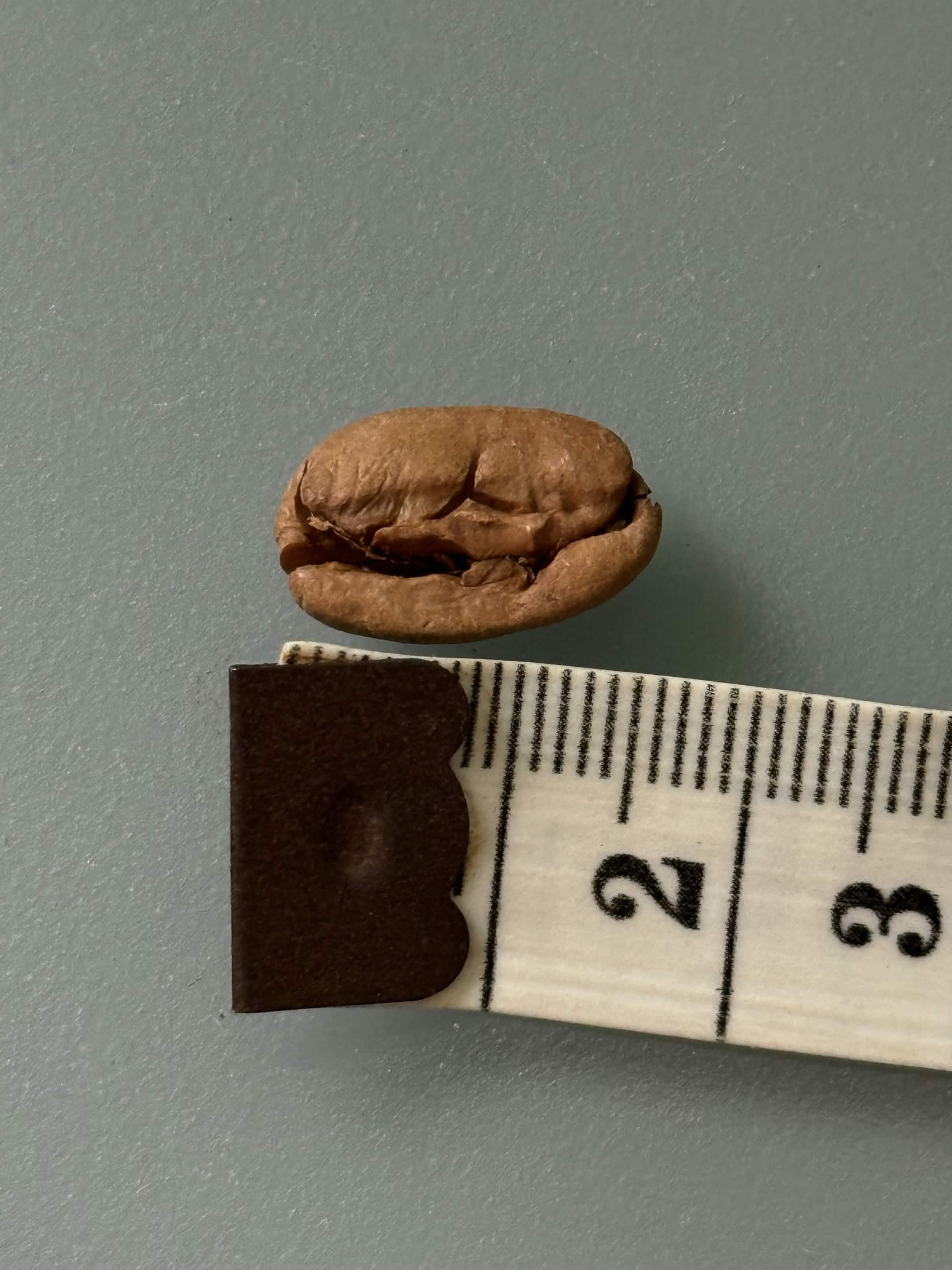
2026-07-28
- 2:45 AM
#what-are-you-brewing: I'm drinking a Kenyan coffee called Ichamama. It's a factory I've liked for a long time because their coffees never taste like what you'd normally expect from Kenya—in the best way possible. This one is no exception. I'm getting Japanese green tea, mixed berries, citrus that reminds me of yuzu and Valencia orange, a peony-like floral note that's just Kenyan enough, and an incredibly silky body. If I had tasted it blind, I probably would've guessed it was a washed Sidama. It actually reminds me a lot of the old Bensa Logita - 6:14 AM
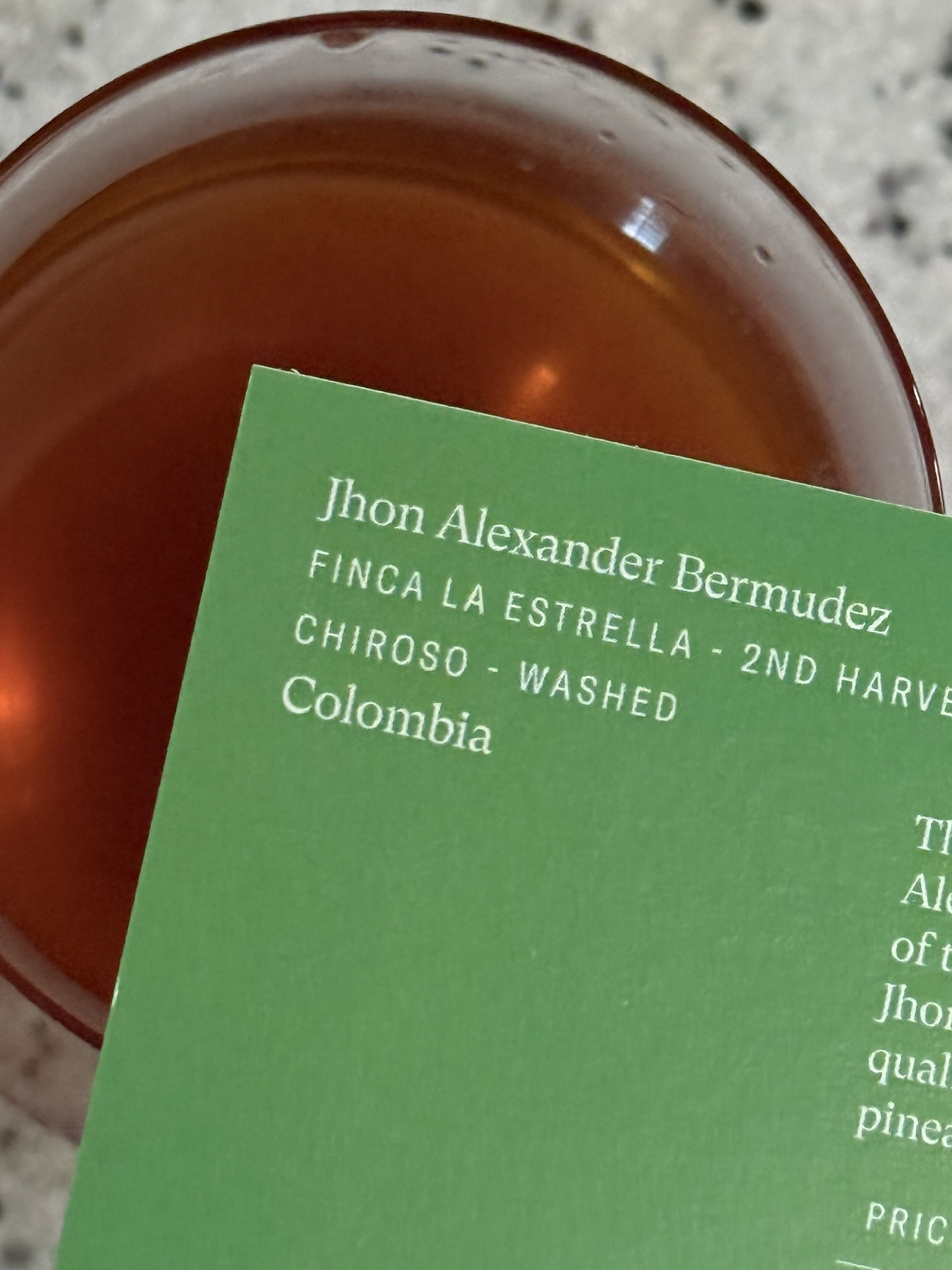
#what-are-you-brewing: I was in the mood for a bright Central/South American coffee today, so I looked through my stash and ended up brewing a Chiroso from Jhon Alexander Bermudez—someone whose coffees I absolutely loved a few years ago. I think the first time I had one of his coffees was back in 2021 or 2022. Chiroso wasn't nearly as well known back then. A friend gave me a little to try, and I was completely blown away. I honestly thought it was even better than Gesha, and that's what started my obsession with hunting down Chiroso coffees. I was a little worried this time because the last coffee I had from Jhon showed a noticeable woody character. Still, coffee quality has improved so much across the board recently that I went in feeling optimistic.
Honestly, it exceeded my expectations. The profile is packed with beautifully ripe fruit. There's a gentle fermented character, but it's kept incredibly fresh by a strong botanical quality that ties everything together. It opens with a vibrant, juicy profile that reminds me of a drink made with lemongrass, lime, banana, pineapple, and mango, while an intense botanical aroma runs from the first sip to the last, keeping all that fruit from becoming overwhelming. Around the middle of the cup, I start getting rambutan-like fruitiness, and toward the finish there's this wonderfully fresh hop-like aroma that completely refreshes the palate.
It's a very different coffee from the one I remember drinking a few years ago, but honestly, I think I prefer this version. My favorite coffees are the ones that combine loads of fruit with just enough aromatic freshness to keep everything lively. That's probably why I don't usually fall for overly floral Geshas.
Attachments:
- IMG_1592.JPEG (image/jpeg 1536x2048) - 12:28 PM
#what-are-you-brewing: Cafe Doan. It's a coffee roaster in South Korea - 12:31 PM
#what-are-you-brewing: <@393710626385559554> - 5:26 PM
#cupping: We've finally returned the era of "SEY coffees are getting grainy" I like it. 😂 - 5:26 PM
#cupping: Just to clarify, I didn't really have any issues on my end. My friends didn't either - 5:39 PM
#cupping: Coffees like Halo don’t come around very often! 😂 Even an 88-point Ethiopian is a rare find - 5:40 PM
#cupping: These Snap coffees this time (especially the MOD and Alo) are actually very special - 5:42 PM
#cupping: 😂 Your punishment is going to a public cupping and having to drink Ethiopian coffees that don’t even break 85 points - 5:43 PM
#cupping: Ha, Burundi hater - 5:50 PM
#origins-and-producers: [attachment only]
Attachments:
- IMG_1593.jpg (image/jpeg 2160x2880) - 5:53 PM
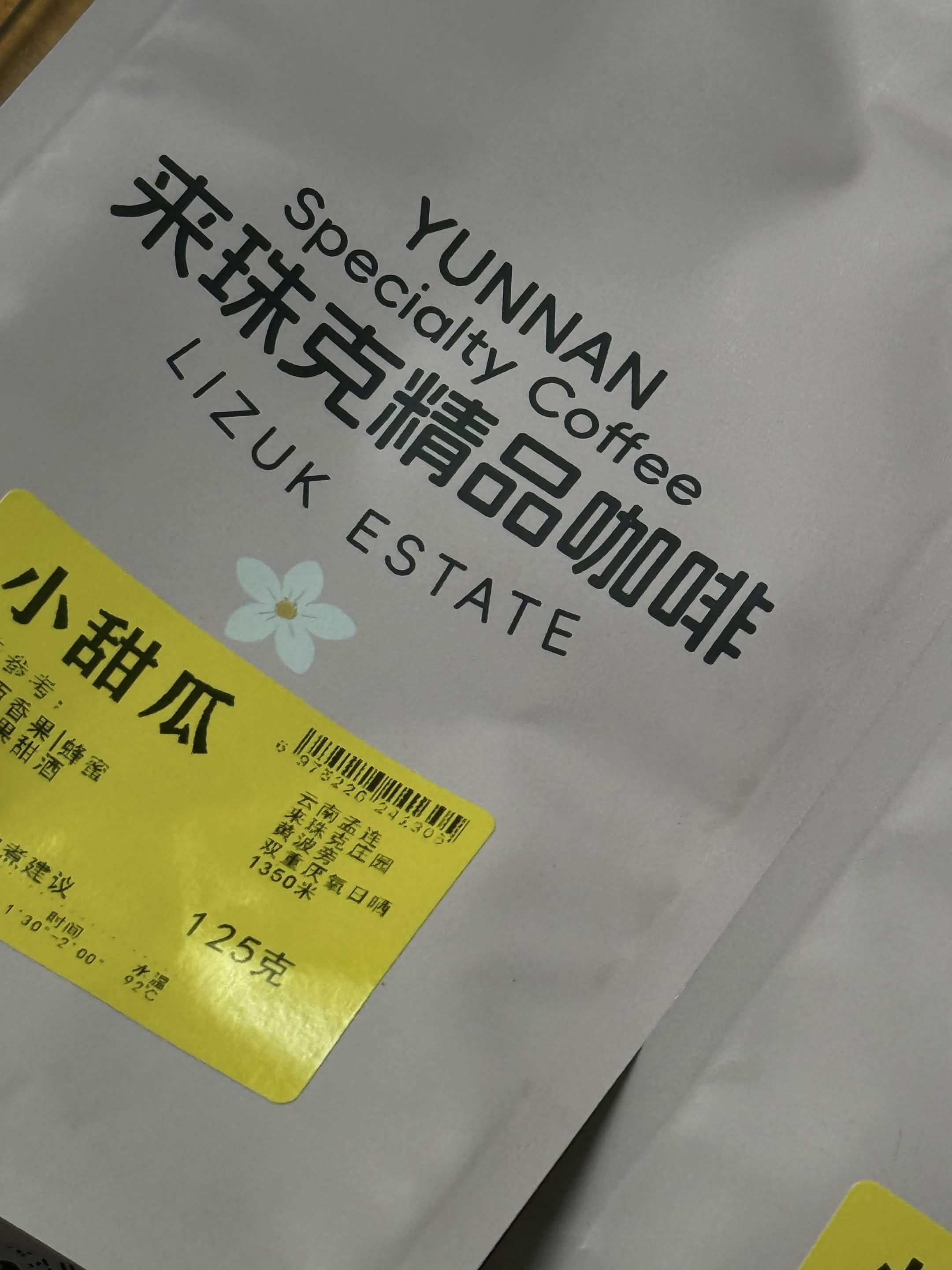
#origins-and-producers: A double anaerobic fermented coffee… roasted directly by the farm itself. They say it’s a natural mutation collected in Mexico (I assume it’s probably Villa Sarchi). It’s a dwarf variety with yellow cherries. I’m going to try it tomorrow—if you don’t hear from me, assume I got food poisoning - 5:54 PM
#origins-and-producers: https://en.people.cn/n3/2026/0630/c90000-20472614.html
2026-07-29
- 1:33 AM
#what-are-you-brewing: I’ve definitely had coffees where I felt the roast was a little disappointing, or where they pushed the roast right to the limit. But personally, I’ve never come across a truly underdeveloped - 1:37 AM
#what-are-you-brewing: For reference, this is pretty much how I react when I drink an underdeveloped coffee
Attachments:
- IMG_1594.gif (image/gif 500x299) - 2:02 AM
#what-are-you-brewing: I'm drinking it now, and thankfully I don't think it's going to give me food poisoning after all. 😂 The flavor is actually pretty impressive. They called it a double anaerobic fermentation, but honestly it just tastes like a really high-quality natural
Attachments:
- IMG_1593.JPEG (image/jpeg 1536x2048) - 2:04 AM
#what-are-you-brewing: I'm getting notes of melon, passion fruit, all kinds of tropical fruit punch, blackberry, and florals. I bought it because I was really intrigued by the Dere 132 variety, but it's even more impressive than I expected. I think I'll have to pick up a few more coffees from them later - 2:04 AM
#what-are-you-brewing: If you're lucky, you might get to see me making soup at the Korea Cafe Show - 2:05 AM
#what-are-you-brewing: I'm not sure. I think it's in November? I've tentatively agreed to make soup at my friend's booth, but we'll see if it actually happens - 2:06 AM
#what-are-you-brewing: Or I might just make it at my friend's cafe instead. 😂 Either way, "Mango's Soup House" is already a tentative plan - 2:08 AM
#what-are-you-brewing: My friend will probably be working at Amativo (the green coffee importer), and they also run a small cafe there. If I'm bored, I might just make soup there - 2:10 AM
#what-are-you-brewing: That's a very good question. I can't really judge underdevelopment by taste alone. There are coffees that simply taste like that naturally, you know? Things like Sudan Rume or some unusual Brazilian varieties, for example. In my case, I usually notice it because my tongue feels extremely irritated, almost like I ate something spicy, my throat feels swollen, my stomach hurts, and in severe cases I even get diarrhea - 2:11 AM
#what-are-you-brewing: So my friend and I usually say that "unroasted" and "underdeveloped" are different things. In the industry, what people often call underdeveloped is actually closer to "unroasted." True underdevelopment is, as the word suggests, more about a coffee being lacking or incomplete. You know the kind of thing people usually describe? Like peanut shell notes, a green/grassy raw seed-like aroma, persistent grainy flavors that won't go away, and this strange sense that the coffee feels closed off. You really have to look at it as a combination of factors. - 2:14 AM
#what-are-you-brewing: Underdevelopment is something people perceive very differently. Sometimes it can be subjective, so it's not always easy to talk about. But if most people are feeling some kind of unpleasantness from the coffee, then there is a possibility that it is underdeveloped - 2:17 AM
#what-are-you-brewing: Actually, even if a coffee is underdeveloped, you can hide it to some extent through extraction. That's why some people might not notice it at all - 2:18 AM
#what-are-you-brewing: That's why it's such a difficult topic. Roasters usually don't want to admit it, and it's also something that often leads to arguments. 😂 I've been debating this topic for years. Honestly, ha - 2:21 AM
#what-are-you-brewing: However, astringency is also something you can get from extraction mistakes. So I can't simply say, "If a coffee tastes astringent, it's underdeveloped." That wouldn't be accurate. But astringency is definitely one of the most common characteristics of underdevelopment, especially what people often call "unroasted" - 2:23 AM
#what-are-you-brewing: If I mention specific roaster names, this place would probably explode. 😂 Prodigal often produces flavors that are similar to underdevelopment, especially with naturals - 2:24 AM
#what-are-you-brewing: A few years ago, especially during their early days when they had just switched to Loring, Ilse was probably one of the most representative examples of an "unroasted" roaster. I've heard they're much better now, though - 2:25 AM
#what-are-you-brewing: Just because a coffee is dark doesn't mean it can't be underdeveloped. You can even have underdevelopment in something that tastes like charcoal - 2:27 AM
#what-are-you-brewing: That's why, surprisingly, it's not actually that easy to find a roaster who consistently roasts well and just keep buying from them. Why do you think I've subscribed to SEY for so long? There's a reason for that - 2:29 AM
#what-are-you-brewing: Some of you may know this already, but I’m constantly trying coffees from all over the place in search of a roaster that’s better than SEY. I’m sure there’s one out there somewhere… probably. Maybe. 😂 But after doing this for nearly seven years, I’m starting to think finding a unicorn might actually be easier - 2:31 AM
#what-are-you-brewing: Sorry Christopher, your coffee is just too expensive.... 😂 - 2:33 AM
#what-are-you-brewing: Still, when I look at his roast curves, I honestly think they’re beautiful. It looks like it must taste amazing - 2:33 AM
#what-are-you-brewing: Hey - 2:33 AM
#what-are-you-brewing: 😂 Burundi and Rwanda hater... ha - 2:34 AM
#what-are-you-brewing: You know I’ll be extremely busy starting in October. 😂 If I end up working at a cafe, I’ll let you know where it is - 2:36 AM
#what-are-you-brewing: Anyway, China is actually doing better at roasting than people might expect. In the US, I feel like it’s probably hard to find that level unless it’s someone like Hyunah or Airworks, which is a bit unfortunate. The green coffee selections in the US and China (or Asia in general) are completely different, and experiencing that difference is honestly one of the fun parts - 2:37 AM
#what-are-you-brewing: For example, the Honduran coffees I’ve been recommending, Los Pinos and El Zapote, are the result of investments from Coffee Libre in Korea, so they’re basically only available in Korea. Chinese buyers actually purchase quite a lot of these coffees - 2:39 AM
#what-are-you-brewing: Maybe they’ll get it from Hyunah - 2:40 AM
#what-are-you-brewing: Well, Canada has Crop to Cup! But green coffee importers are always rewarded for how much they invested in the regions they care about and how deeply they built those relationships. Honestly, I think Korea is only now starting to see the results of those efforts. I think it’s been over 10 years since Coffee Libre started investing in Honduras, and it’s only now beginning to become recognized - 4:43 AM
#what-are-you-brewing: I do agree that the recent batches have been roasted in a way that emphasizes complexity more. But neither I nor my friends (we're all pretty familiar with SEY here in Korea) have noticed any obvious roasting issues. That said, it's still possible that there was something wrong with that particular batch - 4:46 AM
#what-are-you-brewing: And cupping is still an extraction method, after all. Personally, I'd probably try changing the protocol a bit. Honestly, the quickest approach would probably be to ask SEY what cupping protocol they use - 4:48 AM
#what-are-you-brewing: Of course, I brew every coffee as ORB's "looooooong soup" so it's also possible that I'm simply not picking up on any underdeveloped characteristics. 😂 I'd recommend having a longer conversation with the SEY team - 4:50 AM
#what-are-you-brewing: To be fair, you can always end up with an unlucky batch. I don't think that's the case with SEY, but it's something that almost every roastery runs into sooner or later - 6:23 AM
#what-are-you-brewing: It depends on the coffee - 6:23 AM
#what-are-you-brewing: No, it depends on the coffee. Would you like me to explain? - 6:24 AM
#what-are-you-brewing: For example, can you roughly describe the range of flavors that people refer to as "hay" or "grainy"? - 6:25 AM
#what-are-you-brewing: Even "hay" and "grainy" can be either positive or negative. It depends on what other notes they're associated with, what aromas they're integrated with, and where they appear in the cup - 6:26 AM
#what-are-you-brewing: It's the same with herbal notes. Some people interpret them as a flaw or a sign of underdevelopment, while others see them as a characteristic of a well-developed roast - 6:26 AM
#what-are-you-brewing: Cereal is a good example. Among lower-grade Ethiopian coffees, say around 84–85 points, you can often find both guava-like flavors and cereal-like defects existing at the same time. But if the extraction is done well—especially when you push the EY higher—you can actually reduce or remove a lot of that cereal character - 6:27 AM
#what-are-you-brewing: Of course, you will probably lose a lot of complexity in the process. But we can use extraction to remove or reduce some negative flavors. That said, there are certain characteristics that extraction simply cannot get rid of. Coffees from countries like El Salvador are a good example - 6:28 AM
#what-are-you-brewing: However, there are also certain characteristics that you simply can't get rid of. And that's when we start to wonder, "Could this coffee actually be underdeveloped?" - 6:28 AM
#what-are-you-brewing: That's why I say it depends on the coffee - 6:31 AM
#what-are-you-brewing: That’s why we always have to be careful. We need to consider whether a defect originated from the green coffee or if it was caused by the roasting. Honestly, it’s really difficult for us to know. I think only the roaster can have a clearer idea of what went wrong, because they do QC through different roast profiles and taste the coffee in many different ways. As consumers, we’re usually only drinking coffee roasted with one particular profile - 6:31 AM
#what-are-you-brewing: Last year's Aklilu was truly phenomenal - 6:32 AM
#what-are-you-brewing: No, we don’t know that. It could be a green coffee issue, for all we know. That’s why we need to approach it a little more carefully - 6:35 AM
#what-are-you-brewing: Honestly, I’m aware that SEY’s roasting has become a bit lighter recently, and I have seen some people experiencing hay or grainy notes. But I don’t know... it just feels very similar to the comments people were making about SEY a few years ago, so I’m mostly just watching and waiting. 😂 - 6:36 AM
#what-are-you-brewing: Then it becomes even more clear that it depends on the coffee - 6:37 AM
#what-are-you-brewing: The possibility of getting hay or grainy notes doesn’t only come from roasting. These are characteristics that can also come from quakers or defective green coffee. In SEY’s case, I think those tendencies have decreased significantly since they introduced a color sorter - 6:41 AM
#what-are-you-brewing: I don’t judge coffee based only on color, and I drink coffees that are often lighter than SEY. Honestly, I haven’t really encountered coffees where those characteristics were clearly caused by the roasting itself. If I were simply insensitive to hay or grainy notes, then I should also be missing them in darker roasted coffees—but there are plenty of grainy coffees in Europe that are darker than SEY. Would you like me to name a few? - 6:43 AM
#what-are-you-brewing: Honestly, in Europe there does seem to be some tendency to be less sensitive to hay or grainy notes, possibly because of differences in food culture. But I think it’s too simplistic to call it just a skill issue. Sometimes these characteristics come from other factors, and sometimes they don’t. That’s why you can’t apply the same explanation to every coffee, and that’s why I always say it depends on the coffee. - 6:46 AM
#what-are-you-brewing: No, it’s not necessarily that. There are cases where the green coffee itself has those characteristics. For example, Sudan Rume can sometimes be perceived that way because of its unique botanical character, and as I mentioned earlier, there are also examples from El Sal - 6:47 AM
#what-are-you-brewing: That’s why I don’t think it’s fair to say a coffee was poorly roasted simply because it shows hay or grainy characteristics. I don’t fully understand the inherent qualities of that green coffee, so I don’t feel comfortable making that conclusion - 6:50 AM
#what-are-you-brewing: I don’t think so. Underdevelopment is not that simple - 6:51 AM
#what-are-you-brewing: That’s why, before I talk about underdevelopment, I usually describe it as "the coffee makes me feel sick" - 6:51 AM
#what-are-you-brewing: Of course, in this case, it’s probably closer to being unroasted - 6:54 AM
#what-are-you-brewing: So how should we approach a coffee where someone simply says, "I feel like the intensity is a bit muted"? That’s why we need cupping, and why a longer explanation is often necessary. Some people might define underdevelopment as a lack of structural development, a lack of flavor expression, poor clarity, or an unpleasant acidity. Everyone has their own criteria for saying, "This coffee is underdeveloped because of this reason" But the real question is: when we consider the quality of the green coffee, do we actually have a reliable standard to say, "This is not a green coffee issue"? That’s why it’s not easy - 6:54 AM
#what-are-you-brewing: So, going back to the first question, I find myself repeating the same answer: "It depends on the coffee" - 7:01 AM
#what-are-you-brewing: And since we’re talking about grainy notes, this actually applies to baked coffees as well. That’s why I keep saying it really depends on the coffee. 😂 - 7:03 AM
#what-are-you-brewing: Ah, yes. Among some Chiroso coffees, I’ve had ones that reminded me of onion, shallot, or green onion notes - 7:03 AM
#what-are-you-brewing: And I don’t really like most coffees from the 'Caro' family. There was only one exception, though. Who was it again? - 7:05 AM
#what-are-you-brewing: I think that’s actually one of the characteristics of the green coffee itself. Chiroso is known to have two different versions, and the flavor can vary depending on the region and the processing method. I used to think that notes like cedar, shallot, and similar savory characteristics were some of the signature flavors of Chiroso. The coffees I’ve had from SEY recently are a bit different, though - 7:07 AM
#what-are-you-brewing: Again, this depends on the coffee. I’m sorry to say that, but it really does. With longer resting, you can lose some of the good aromatics, but you can also lose many of the unpleasant notes caused by underdevelopment. As coffee rests, extraction can naturally become easier, and those characteristics can be masked by other flavors. Sometimes even the notes we consider negative can become acceptable when they blend into the overall profile of the coffee. - 7:09 AM
#what-are-you-brewing: So this is why people end up arguing when someone says, "Why does this coffee taste underdeveloped when I bought it from this place?" Somewhere, there is always someone for whom that coffee is the best coffee they’ve ever had. The founder of Coffee Libre always says something during cuppings: "The coffee you are drinking today might be garbage, but for someone drinking it tomorrow, it could be the best coffee in the world." I think that’s actually a definition of personal preference.
An underdeveloped coffee is usually considered a bad coffee, but even that can be someone’s favorite. Coffee is really not simple…

2026-07-30
- 1:31 AM
#current-menu: Is that really Kamwangi? It’s one of my favorite - 5:20 AM
#what-are-you-brewing: I’m really curious to try Los Cenizos Natural too - 5:21 AM
#what-are-you-brewing: But the moment I saw Kamwangi in this month’s SEY subscription, I knew. This month’s lineup is going to be incredible 🫡 - 6:06 AM
#current-menu: Uraga classic, can be mod washed - 6:08 AM
#current-menu: This is a coffee SEY released about six years ago, and I still remember it. It had notes of honeysuckle, lactic acidity, yogurt, and tropical fruit - 10:27 AM
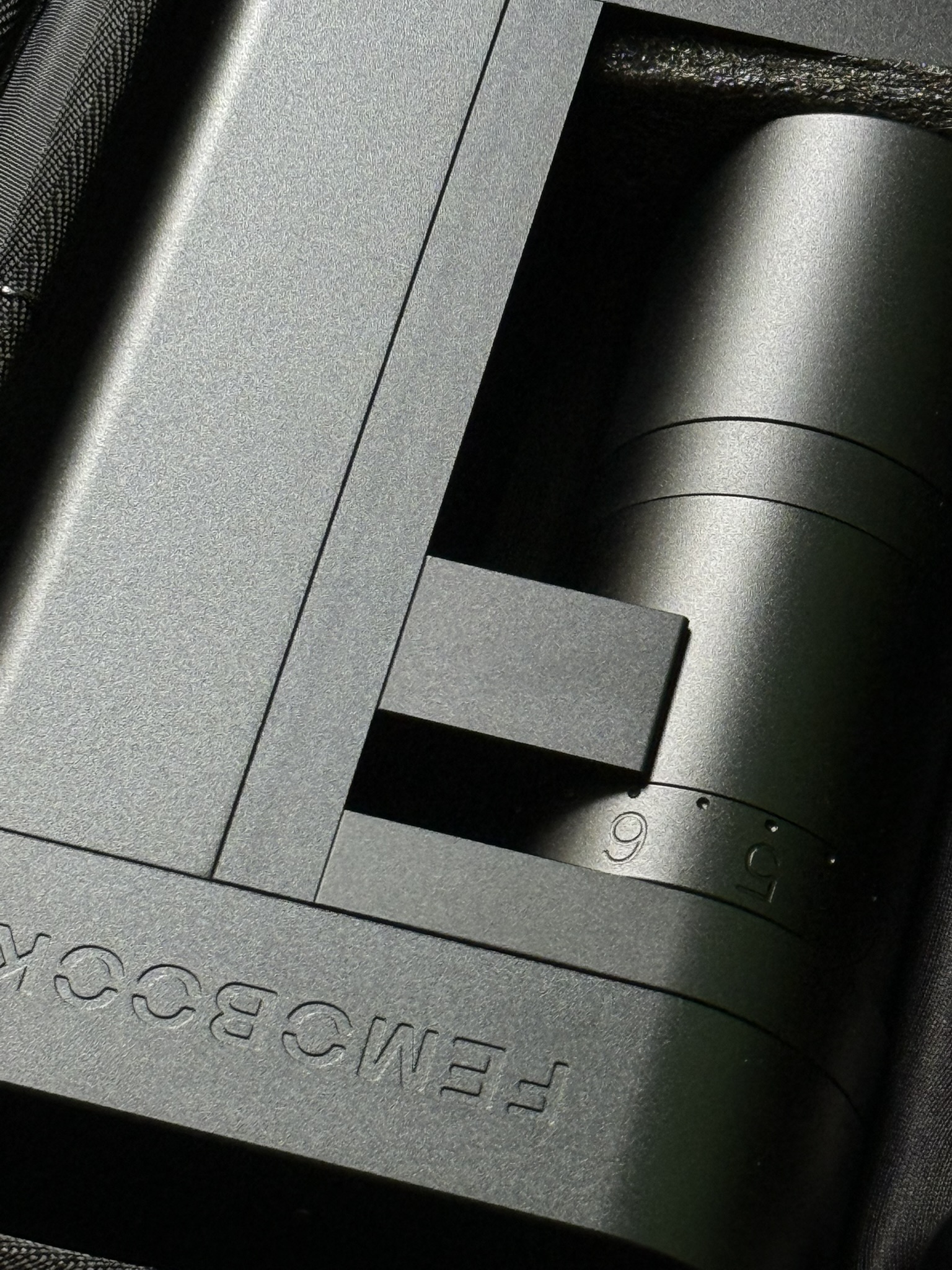
#equipment: My new beauty thing
Attachments:
- IMG_1607.JPEG (image/jpeg 1536x2048) - 10:28 AM
#equipment: The taste is honestly outstanding, but the user experience is pretty awful… 😂 - 10:30 AM
#equipment: You know, I think there are going to be much longer posts in the w-a-y-b channel from now on. This thing really does make an incredible cup - 10:30 AM
#equipment: Pietro... man... I'd honestly rather buy an EK43 instead 😂 - 10:34 AM
#equipment: 😂 Curious? When I brewed Servio Botina, it reminded me of the Gesha from El Porvenir (Juan Jimenez) that I had before - 10:34 AM
#equipment: And that was without even trying to optimize it. This thing is absolutely ridiculous - 10:52 AM
#equipment: My friends told me that around 115 clicks worked well, so I tried 100. It felt just a little under-extracted for my taste, though, so I'm still dialing it in - 12:32 PM
#equipment: Well... I bought the A2 for about $50, including shipping. This time, the A4Z came with the upgraded battery, an after-sales warranty, and everything. In total, it cost me around $450. It's about nine times the price, but I'm honestly about nine times happier with it. I really mean it. 😂
2026-07-31
- 2:32 AM
#what-are-you-brewing: I'll be doing a blind tasting with the A2, A4Z, and A68 sometime soon - 2:37 AM
#what-are-you-brewing: [attachment only]
Attachments:
- SuSteh.gif (image/gif 400x300) - 2:38 AM
#what-are-you-brewing: I don't know yet. I'm going to dial in the A4Z first, and if it isn't unbearably hot, I'll head over to my friend's cafe (the one with the A68) and test all of them - 2:40 AM
#what-are-you-brewing: The A2 is genuinely insane. It's different from the A4Z, but I have a feeling it'll produce results that are actually quite similar to the A68 - 2:42 AM
#what-are-you-brewing: A few of my friends are actually thinking about buying an A2 just for cupping because it's so portable and the cup quality is surprisingly good - 2:42 AM
#what-are-you-brewing: (including for professional cuppings) - 2:43 AM
#what-are-you-brewing: 😂 I only paid $50 for mine, shipping included - 2:47 AM
#what-are-you-brewing: ZP6 + A2 motor... Moonshine A4Z 😂 - 2:51 AM
#what-are-you-brewing: Yeah, the A4Z definitely has some serious acidity. 😂 I'm wondering if I should mix A2 and A4Z 50/50 - 2:57 AM
#what-are-you-brewing: Loring S7 & S35 - 2:58 AM
#what-are-you-brewing: Oh, I replied to the wrong thing. 😂 Sorry. - 2:58 AM
#what-are-you-brewing: From what I know, they use the S7 for brewing and the S35 for espresso (what they call SOE) - 2:59 AM
#what-are-you-brewing: Unfortunately, I don't have a ZP6 - 3:00 AM
#what-are-you-brewing: A friend who might be working with me soon has a ZP6, so if I get the chance, I'll compare them - 3:00 AM
#what-are-you-brewing: S35 i guess - 3:01 AM
#what-are-you-brewing: The Opus 2 actually has a pretty decent burr set as well... I just wonder what the RPM is like - 3:03 AM
#what-are-you-brewing: This is actually a pretty interesting detail... I bought the Korean release version. The Chinese battery couldn't pass certification, so it was removed locally and replaced with a Korean-made battery. The capacity was actually upgraded to 3,000 mAh - 3:04 AM
#what-are-you-brewing: Well, it's probably just because Korean certification requirements are ridiculously strict. 😂 I don't think there will be any real issues with the Chinese version either - 3:08 AM
#what-are-you-brewing: The A2 is a bit sweeter and more balanced. The A4Z is more intense and has a wider flavor spectrum. The A4Z is definitely the better grinder, but I think the A2 sits right below it. 😂 The A2 is still a seriously excellent grinder - 3:10 AM
#what-are-you-brewing: With the A4Z, a tea-like character shows up quite often. Some people will absolutely love that, but... I think there are also plenty of people who won't - 3:13 AM
#what-are-you-brewing: I'm using the BG burr set in the x54, and it's actually really good too. But with flat burrs, there are definitely these notes that appear as the sweetness rises on your tongue and then fades away. It's not just the x54 either — you get that with grinders like the EK43 and PK100 as well - 3:15 AM
#what-are-you-brewing: There are pros and cons, that's why I haven't gotten rid of any of these grinders. 😂 This might be a bit more complicated, but I feel like the x54 produces a cup profile closer to coffee roasted on a Diedrich, while conicals feel more like coffee roasted on a fluid-bed roaster. The x54 gives you that layered palate experience, the A4Z gives you more movement and evolution in the aromatics, and I guess the A2 is somewhere right in the middle? - 3:17 AM
#what-are-you-brewing: I actually love tea-like characters. Especially when a Gesha has a green tea-like note, I absolutely love it. But I know a lot of people don't enjoy green tea flavors either - 3:35 AM
#what-are-you-brewing: It seems like the fines are always generated around the 200-micron range, regardless of the grind size. I think that’s probably both a strength and a weakness. If you mainly use like the v60, you’d probably have to adjust your brewing approach quite a bit - 3:36 AM
#what-are-you-brewing: With flat-bottom brewers, aeropress, or orb, I think you can actually find the answer pretty quickly - 5:47 AM
#what-are-you-brewing: I brewed the Chiroso Bule with the A4Z at 115 clicks using my usual orb recipe. The aromas are definitely more direct and expansive this way. That said, I think I need to tighten the grind a bit. I'm getting notes of jasmine tea, orange blossom, Taiwanese oolong tea, honeysuckle, and botanical herbal notes, almost like a peach iced tea - 11:14 PM
#current-menu: Seriously? - 11:16 PM
#current-menu: I’ve been subscribed for seven years, and honestly… I don’t think I’ve ever been this impressed. 😂 - 11:22 PM
#current-menu: Omg I think SEY has completely lost their minds 😂 - 11:28 PM
#current-menu: They’re all subscriber-only… or at least early access. 😂 The subscription itself has basically become a FOMO machine at this point - 11:41 PM
#current-menu: No wonder Lance has been so quiet lately… He’s been busy roasting all this time

2026-08-01
- 6:00 AM
#what-are-you-brewing: What brewer are you using? - 6:01 AM
#what-are-you-brewing: I think 91-93 should work pretty well - 4:00 PM
#current-menu: Good luck. That’s what subscribing is all about - 4:11 PM
#current-menu: Honestly, all I want is Kamwangi - 4:26 PM
#current-menu: Just like Doug is obsessed with Windrush, I’m obsessed with Kamwangi
2026-08-02
- 1:01 AM
#current-menu: My guess is that Kamavindi Gesha will make it into the 2-week cycle. If we’re really lucky, maybe even the 3-week one. Just a hunch though - 1:12 AM
#current-menu: If Kamavindi is gone, I'm sure they'll throw in some other banger instead - 6:05 AM
#what-are-you-brewing: Ever since switching to the A4Z, I've spent quite a bit of time dialing in the grind. It almost reminds me of an EK43 in that regard. The extraction yield has been consistently higher than I expected, so I'm still fine-tuning the grind size. Personally, I think somewhere around 110–120 clicks seems to be the sweet spot. Now that I feel like I've finally got it reasonably dialed in, I decided to brew the last of my David Berrio from end of season.
The cup is incredibly unusual—in the best possible way. The profile is built around something that reminds me of a Chinese black tea, but what's fascinating is how the fruit behaves. At first, the fruity aromatics linger right at the tip of your nose, then as the coffee cools, they gradually move onto the palate. Alongside that Chinese black tea character, I'm getting peach, starfruit, and dragon fruit all at once. As the cup moves into the mid-palate, a magnolia-like floral note begins to emerge. Then, in the finish, a Gesha-like blueberry note lingers for an impressively long time.
Back to index
dougssg
2026-07-28
- 12:16 AM
#what-are-you-brewing: Still haven’t had any success on it. Gotta tap <@522586445131677719> in for some dialing in teamwork - 12:19 AM
#what-are-you-brewing: Multiple grinders, as fine as 4,5 on 01 with brew burrs. Pretty fine on max with brew burrs. Extraction hits a hard ceiling and going finer just increases astringency with no movement on extraction. Can lower temp but don’t see how that helps considering extractions on the low side. - 12:20 AM
#what-are-you-brewing: Both? - 12:20 AM
#what-are-you-brewing: It’s flat and acidity is super muted - 12:20 AM
#what-are-you-brewing: Like an Orea? - 12:21 AM
#what-are-you-brewing: Sure then you’ll get a 1.01 tds and it’s coffee water, which is what happened on my last brew - 12:21 AM
#what-are-you-brewing: Say the <@839279408057024512> v60 recipe - 12:21 AM
#what-are-you-brewing: Around a 1.3 TDS. - 12:22 AM
#what-are-you-brewing: 1:45ish TBT - 12:23 AM
#what-are-you-brewing: Not even close - 12:24 AM
#what-are-you-brewing: I mean I couldn’t get it on multiple grinders - 12:24 AM
#what-are-you-brewing: Yes but even if not I know what a 1.01 TDS tastes like - 12:24 AM
#what-are-you-brewing: And looks like - 12:25 AM
#what-are-you-brewing: <@189881407399657472> what time do you wake up? - 12:25 AM
#what-are-you-brewing: Ok ill FT you tomorrow - 12:26 AM
#what-are-you-brewing: I don’t know if flow is ok because I don’t have anything to compare it to. I do know that the water chamber needs mostly fill before any water starts flowing but then it seems to flow ok. Seems by design. - 12:27 AM
#what-are-you-brewing: Send a grind size photo for me? - 12:28 AM
#what-are-you-brewing: One other major Gabi gripe is that ring the dripper sits in fits well on none of my carafes. It’s like an OXO problem - 12:28 AM
#what-are-you-brewing: Or z1 - 12:29 AM
#what-are-you-brewing: It fit well on the slow pour supply carafe at hyunah(didn’t brew there just tried it) but annoying to have buy a new carafe for it - 12:31 AM
#what-are-you-brewing: You have that issue? - 12:36 AM
#what-are-you-brewing: Haha it’s all good. They drove down from Sf to LA just to give me some burrs and have some 2025 finca Sophia - 12:36 AM
#what-are-you-brewing: They’re golden with me - 12:37 AM
#what-are-you-brewing: I know lol - 12:37 AM
#what-are-you-brewing: I have a Chorso from June 3rd I can try it on tomorrow - 12:38 AM
#what-are-you-brewing: Although a brewer with clearly defined limitations isn’t a great QC brewer IMO but that’s a different subject to whether I can find myself with good cups from it. - 12:39 AM
#what-are-you-brewing: Which is the 2 pour recipe again - 12:42 AM
#what-are-you-brewing: I don’t see any limitations on cupping as far as what coffees can be used, unless its limitations no matter what the brew method is. - 12:46 AM
#what-are-you-brewing: Let’s see it Janesh can be my Gabi coach and get me on board. Theoretically it’s a really dope brewer or I wouldn’t have spent so much time trying it before I tossed it into the dripper graveyard with the espro dripper and what was the Australian no bypass one - 12:46 AM
#what-are-you-brewing: What else is in the dripper graveyard there’s so many - 12:48 AM
#what-are-you-brewing: Yea same. NO one’s a bigger Melodrip fan boy than me just cuz Ray is the GOAT. - 12:48 AM
#what-are-you-brewing: Make some nyc tap water - 12:48 AM
#what-are-you-brewing: I’ll ship you a gallon - 12:49 AM
#what-are-you-brewing: You’ll want to move - 12:49 AM
#what-are-you-brewing: Oh yea that thing sucks - 12:50 AM
#what-are-you-brewing: I actually liked it when it came out but no idea if I’d like it now but the Saint Anthony c70 with the custom filters - 12:50 AM
#what-are-you-brewing: Which may be too old school for you you find - 12:51 AM
#what-are-you-brewing: Haha why did you erase that Thomas - 12:51 AM
#what-are-you-brewing: I saw your attempt to besmirch holy NYC tap water. - 12:52 AM
#what-are-you-brewing: Charcoal filter gets rid of the tiny amounts of chlorine in NYC tap water - 12:52 AM
#what-are-you-brewing: If there is any - 12:53 AM
#what-are-you-brewing: In fact our cafe water has 0 chlorine from testing - 12:54 AM
#what-are-you-brewing: That just adds to the flavor duh - 12:54 AM
#what-are-you-brewing: <@189881407399657472> <@1106959163541696632> you guys want cafe water testing? - 1:00 AM
#what-are-you-brewing: We have updated water tests coming soon I’ll share - 2:52 AM
#what-are-you-brewing: The dripper I want the most that I doubt I’d ever use but if someone could convince me it makes great coffee is the Tsubame Kalita. Love rose gold. - 9:55 PM
#current-menu: We do sub exclusives- not every month but - 10:06 PM
#current-menu: We definitely do include them. You’re just more likely to see them if you have more boxes in your sub.
2026-07-30
- 3:53 PM
#current-menu: Shared love my g - 3:54 PM
#current-menu: Never happened lol - 3:56 PM
#current-menu: It’s in the sub but def not box 6. Box 6 is……. - 6:52 PM
#current-menu: Sure ask away - 10:40 PM
#current-menu: No just the difluid. - 10:42 PM
#current-menu: Basha!!! I haven’t cupped it yet but the streets are buzzing. - 11:14 PM
#current-menu: Subs fire this month
2026-07-31
- 7:04 PM
#current-menu: Yes - 11:23 PM
#current-menu: Albino goes hard - 11:24 PM
#current-menu: Kama Gesha is super unique - 11:26 PM
#current-menu: If it’s not confirmed yet I believe so
2026-08-01
- 3:32 PM
#current-menu: If you subscribe, your sub ships the following week. It’s a 4 week cycle, and <@1257264205866995797> was in week 1. - 3:33 PM
#current-menu: <@536550849350991875> see above
2026-08-02
- 4:22 AM
#current-menu: Favorite coffee of all time. If I was handed a time machine, first thing I’d do is go back to 2018 and buy a few kilos.
Back to index
naomi (car7iern)
2026-07-27
- 2:35 PM
#what-are-you-brewing: Right now I think we're right at a month rest. Oscillates between two weeks-month depending on changes is seasons. But also, we store our coffee in cambros, not sealed bags
2026-07-29
- 7:34 PM
#current-menu: No but I can tell you lol. On batch will most likely be Anthony Kimani, on featured filter (aeropress): Alo; Bombe, Miguel Dota, and probably Georgina Puma unless we sell out before then. Iced will be Alo; Bombe. Espresso TBD that will probably be a full menu swap tomorrow - 7:35 PM
#current-menu: Idk which of those we may still have for sale on retail by then, as of now we still have boxes of Bombe, Miguel, and Kimani
2026-07-30
- 2:31 PM
#current-menu: Lots of it - 3:06 PM
#current-menu: We will have retail that was roasted on 7/22 on the shelves by tomorrow! - 8:11 PM
#filter-focused: Standard aeropress recipe across all coffees:
1:16.25
16 g dose
195° F
Prismo attachment
5 min steep
As little pressure as possible when pushing
Stop pushing before the hiss - 8:12 PM
#filter-focused: TDS around 1.35-1.4 - 8:13 PM
#filter-focused: Currently just doing aeropress! We have been testing Z1 and brewing lots of tests with it over the past few weeks but have not officially made a switch or anything yet - 8:37 PM
#filter-focused: As little agitation as possible! - 8:37 PM
#current-menu: Berrio yummy - 10:28 PM
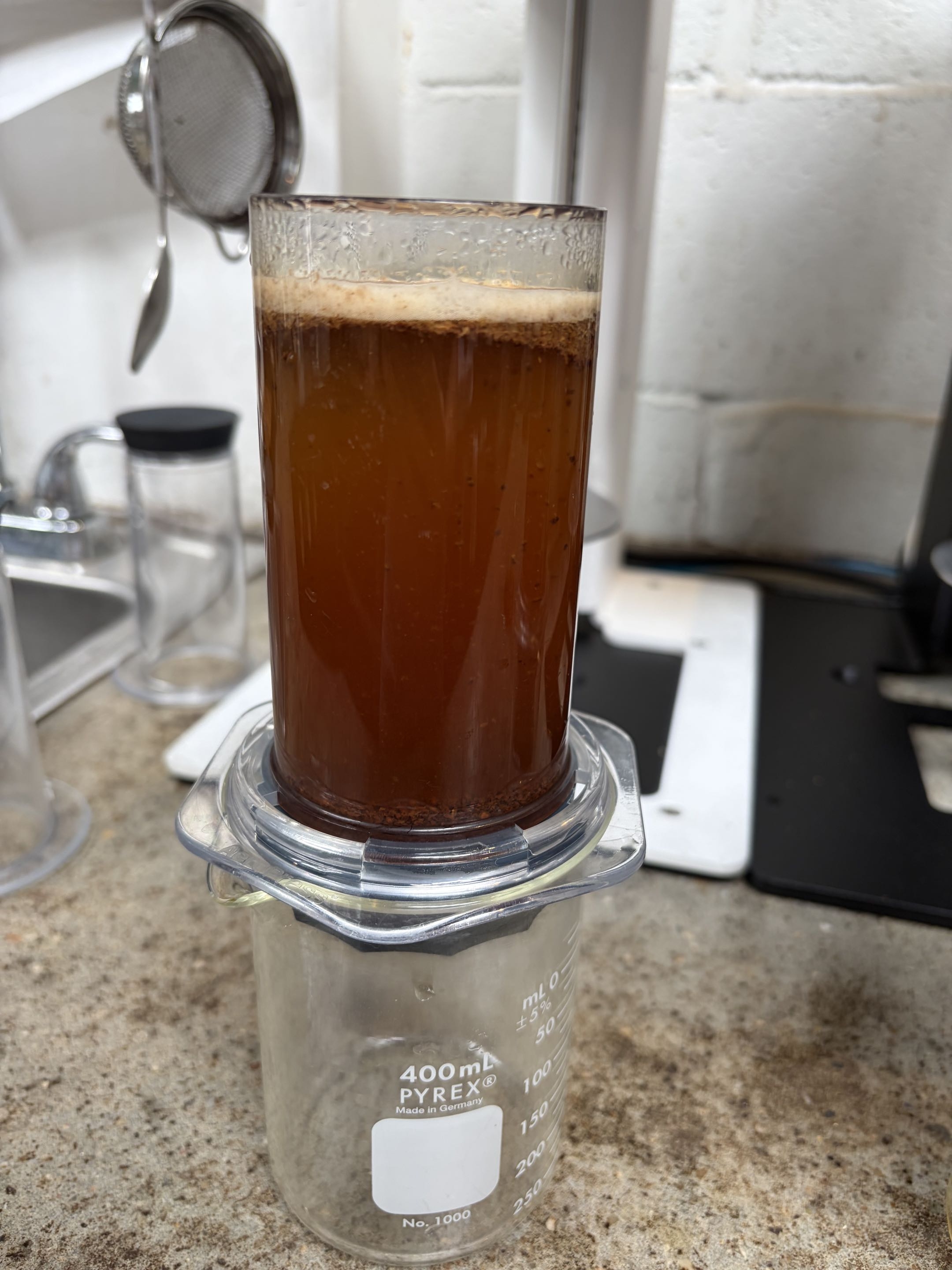
#filter-focused: Coffee to coffee the volume shifts slightly but in general the water line is about here
Attachments:
- D1848F78-7893-47D6-B8D1-F801C1A2F1E8.jpg (image/jpeg 2160x2880) - 10:49 PM
#filter-focused: Nah that's normal its always a little cloudy. But I don't think it's a detriment, just part of it being immersion - 11:19 PM
#filter-focused: This is for aeropress
Attachments:
- IMG_5785.jpg (image/jpeg 2160x2880) - 11:20 PM
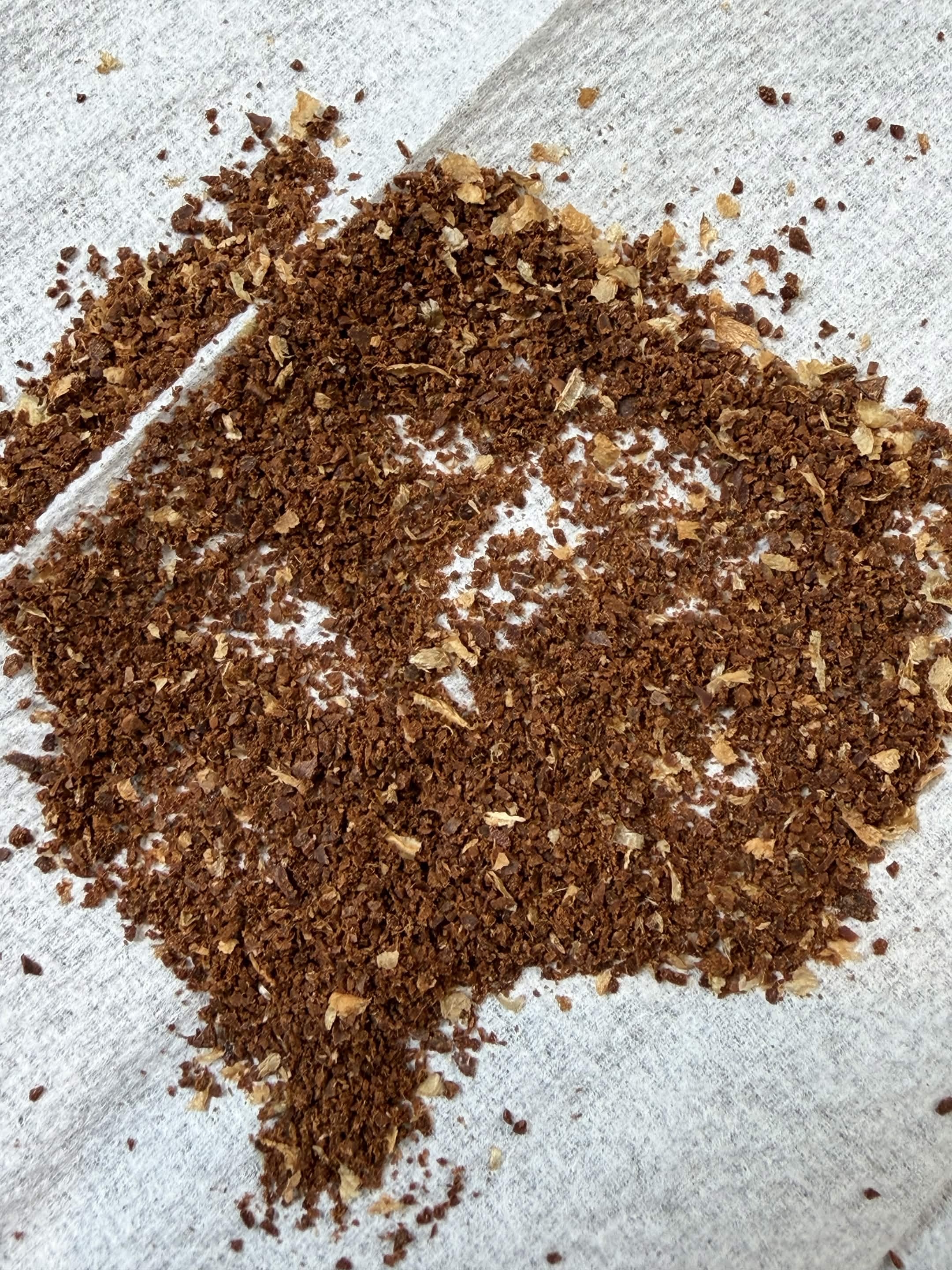
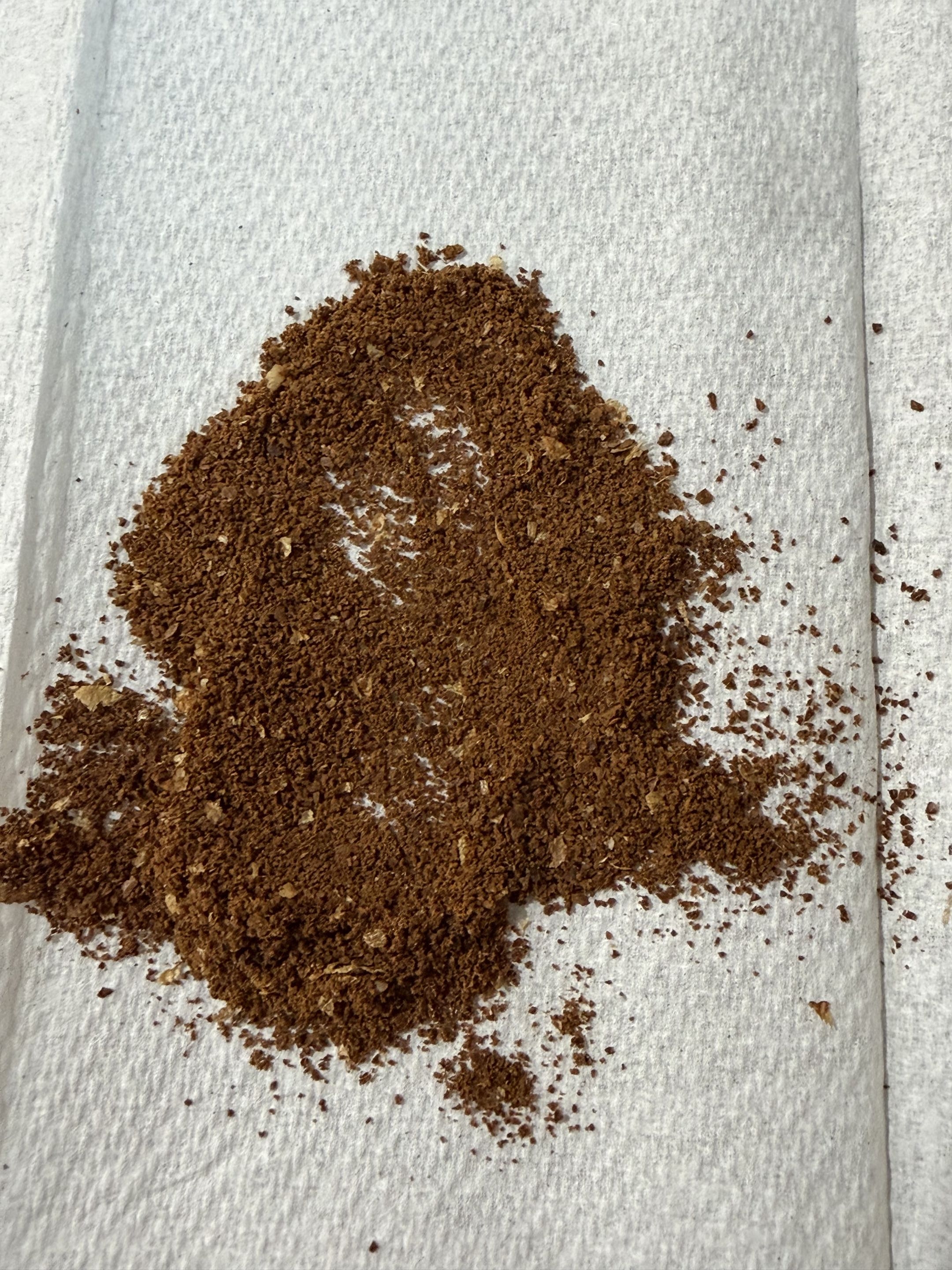
#filter-focused: This is what our cupping looks like
Attachments:
- B16B7E63-6962-41D4-9A6D-C43FC18C64C3.jpg (image/jpeg 2160x2880)
2026-07-31
- 4:11 AM
#filter-focused: We use Tone brewers as our water dispensing system (vs a kettle,) and the flow rates on them are pretty low atm (not intentional, they are getting serviced soon) so they generally don't create a lot of agitation, but yeah I guess that just means beyond the agitation of the pour. But also I suppose yes, a melodrip could be fun to play around with, why not - 4:12 AM
#filter-focused: I actually don't know if we have ever done aeropress test brews with a melodrip, but I do know that the melodrip holes are tiny bit too big for the Tone streams of water so when we've tried using it with the Z1 we were getting some pretty intense divots (so now we're using the top piece of a pulsar mini for water dispersion)
2026-08-01
- 11:42 PM
#what-are-you-brewing: Love Ndwiga. Super big. Really bright and jammy. Reminds me of some of last years Kenyans - 11:49 PM
#what-are-you-brewing: Only sample roast. Production roasts will be this week. But yeah the sample was really special - 11:49 PM
#what-are-you-brewing: Deep blackberry jammy etc etc
Back to index
-------------------
GPT-5.6 Thinking Summary
seylance2897
- Cupping protocol: Sey said their cupping grind is quite fine and that they target roughly 1.25-1.30 TDS, with a slightly elevated dose of 11 g. The corresponding volume was written as "22 ml," though the intended figure is unclear.
- Green coffee versus roast character: He argued that perceived differences among their Latin American coffees are usually attributable to the green coffee rather than radically different roasting. Because the coffees they buy are unusually similar in density and moisture, Sey generally approaches those roasts in much the same way.
- Fermentation differences among releases: He described Carlos as clean rather than "hot" or heavily fermented. Marlene usually shows more fermentation than Edid; Edid is fermented in many small buckets and subsequently blended, which can create meaningful cup-to-cup variability.
- Limits of his equipment expertise: He explicitly deferred grinder questions to others, identifying green buying, roasting, and tasting as his areas of expertise. He noted that even the grinder being discussed was something he mainly used for cupping.
- Halo's grainy or nutty impression: In the July 28 cupping discussion, he urged people not to diagnose Halo as a roast problem too quickly. Halo was a lower-density, standard G1-prepared coffee being compared with the much denser Alo Bombe and the premium-prepared Siti, so its thinner, nuttier, slightly quaker-like profile could plausibly come from green quality, sorting, preparation, or elevation.
- Purpose of the Ethiopian preparation trials: Standard G1 Halo was expected to land around 88-88.5 points. The more expensive milling, selection, preparation, and processing experiments were intended to push comparable coffees toward 89-90, and he considered the season's results "staggeringly" successful so far.
- Why Halo looked weaker this year: He said early-arrival Ethiopians in previous seasons often resembled Halo, but there were no exceptional early lots beside them to expose the difference. This year's improved preparation made the first arrivals unusually strong, causing a solid standard G1 coffee to look comparatively thin and to be overwhelmed by the larger 90-plus-point Ethiopians.
- Future of the Ethiopian program: Although the enhanced preparation materially increased cost and was partly a test of customers' willingness to pay for more expensive Ethiopians, he saw no current reason to reverse it. His provisional judgment was that the quality improvement justified continuing the approach, while emphasizing that this was only year one.
- Scoring exceptional coffees: He said Sey's Panama scoring is generally calibrated with producers' own cupping, although auction scores may inflate somewhat. He scored the prior HLE at 96 versus a 98 from Best of Panama and noted that coffees at this level are hard to benchmark. He also cited Tim Hill's provocative idea that the best coffee produced each year could be defined as that year's 100-point coffee, without fully endorsing it. La Casita received an 89.5 mention and was called a special farm; he also recommended examining Duber's previous harvest.
lancehedrick
- One-pour versus two-pour brewing: Lance personally preferred the two-pour method, partly because he disliked the effects of kettle-driven agitation. He nevertheless teaches a one-and-done pour to a broad audience because it works across more grinders, offers more built-in extraction leverage, and tends to produce greater beverage strength than the roughly 1.2-TDS cups many enthusiasts favor.
- Gabi as a possible QC brewer: He had a Gabi brewer incoming and wanted to test whether it could provide a repeatable, foolproof pour-over presentation for quality control. He was interested in comparing it against a properly dialed one-pour brew optimized for acidity through grind size, pour height, and flow rate.
- Cupping remains the QC standard: Even while exploring cleaner filtered presentations, he said nothing currently touches cupping for speed, ease, repeatability, and low effort - especially when tasting tables of at least twelve coffees. A Gabi-style brew might supplement his weekly tasting only if it proved consistently simple.
- Earlier dispersion experiments: He had used a Melodrip on a Stagg brewer around 2021, securing it with a gasket. It produced good cups but required a relatively fine grind to reach adequate strength, and kettle execution still affected water delivery compared with a purpose-built dispersion device.
- Scale of Sey's roast changes: He said the narrative that Sey had recently transformed its roasting was exaggerated. The largest broad move began late in 2025, with the most significant 2026 adjustment occurring around March or April; subsequent experiments were comparatively small and were not applied uniformly across the catalog.
- Acknowledged misses without conceding a wholesale problem: Lance identified one recent coffee as a clear miss that was much too light and unlike Sey's normal Latin American production. He later said one roast had slipped into production that he would call under, with a couple of others borderline and perhaps leaving structure undeveloped, but he rejected the claim that these represented a general migration toward lighter roasting.
- Operational roast objective: Sey's goal, as he stated it, is to make the roast disappear from the conversation by finding a zone where neither brown roast character nor grain is perceptible. He believed the team was close, while stressing that adapting profiles across changing origins, varieties, moisture levels, densities, and newly arriving coffees remains difficult.
- Green coffee as the dominant variable: He repeatedly emphasized that people were over-attributing differences to roast color while neglecting changes in green coffee and freshness. The red Gesha was not dramatically different in roast from the yellow or other Peruvian Geshas, whereas dense Ethiopian seeds with smaller pores would naturally behave differently. His blunt summary was that "green is supreme."
- Roast-color readings and meaningful variation: He discussed recent color readings in the approximate 132-140 range, with many Latin American coffees settling around 136-138 depending on the lot and Sidra reaching roughly 140. A one-point difference was, in his view, ordinary batch drift and rarely meaningful; a jump of around three points could create a perceptible change. Chiroso required particular restraint because additional development could push it toward savory flavors. For coffees that seemed slightly under, his immediate consumer advice was to let them rest and provide exact coffee names and roast dates when reporting problems.
opp4004
- Halo Hartume assessment: Opp considered Halo one of the lightest-roasted Ethiopians he had encountered from Sey and said the density made his grinder "scream." Although he usually dislikes long resting periods, he thought Halo might benefit from more time. His cup opened with bergamot, moved into Zhangping Shuixian-like oolong, lemongrass, concentrated white peach, and white currant, and finished with a lingering oolong aroma. Note separation was limited, but he liked the unified tea-like profile and compared its cohesion to Hong Kong milk tea.
- Ethiopian sourcing and quality comparisons: He singled out Aklilu Admassu from Yihonal Coffee or Heroes Coffee as a much higher-level example of Gonjobe coffee and was interested in whether Marus had privileged access to similar lots. During the Halo debate, he still called an 88-point Ethiopian rare and described the current Snap coffees - especially MOD and Alo - as genuinely special.
- Honduras and regional recommendations: He advised crossing Flying Puma off the list but strongly recommended Big Sur's two Honduran Geshas from Wilmer Grau and his mother, noting repeated Cup of Excellence success and planting material reportedly sourced from Panama through Coffee Libre's Pil Hoon Seu. He also praised another Bourbon from Wilmer Grau as unusually Mejorado-like and argued that "Sky Project" was largely a marketing label because much of the relevant region was already high altitude.
- Notable brewed coffees: An El Cambalache Maracaturra from Nicaragua showed shrub-rose florals, apricot, grape, oily texture, nutty sweetness, and light chocolate. The exact competition statement was somewhat tangled: El Cambalache's Gesha appears to have taken first place in that year's Nicaragua Cup of Excellence, while its Maracaturra had also performed strongly in earlier competitions. Ichamama from Kenya tasted atypically like Japanese green tea, mixed berries, yuzu, Valencia orange, and peony, with a silky body that could have been mistaken blind for washed Sidama or old Bensa Logita.
- Jhon Alexander Bermudez Chiroso: Opp revisited a producer whose Chirosos had triggered his interest in the variety around 2021-2022. The newer coffee exceeded expectations with ripe tropical fruit, restrained fermentation, lemongrass, lime, banana, pineapple, mango, rambutan, and a persistent botanical or hop-like freshness. He preferred this fresher, fruit-heavy version to the older expression and explained that he generally values aromatic freshness over purely floral intensity.
- European roaster judgments: He remembered MOK as Nordic-style roughly five years earlier, praised Manhattan's best coffees but called its consistency unreliable, and identified Johan & Nystrom and Prolog as exceptionally light European roasters. He liked Johan & Nystrom despite finding its current selection unexciting, while repeated encounters with apparent underdevelopment prevented him from recommending Prolog. BELCO remained a positive exception in his broader view that Europe no longer monopolized the world's most exciting green coffee.
- Definition of underdevelopment: Opp distinguished merely "unroasted" flavors from the broader concept of underdevelopment or incompleteness. He associated the former with peanut shell, raw seed, grass, persistent grain, closed flavor expression, and often astringency, while warning that astringency can also be caused by poor extraction. Dark color does not rule out underdevelopment; he said even charcoal-like coffee can be structurally underdeveloped.
- His personal diagnostic threshold: He did not trust flavor alone because Sudan Rume, some Brazilian varieties, El Salvador lots, and certain Chirosos can naturally produce herbal, hay-like, cedar, onion, shallot, or cereal-adjacent impressions. His strongest personal warning signs were physical - severe tongue irritation, a swollen-feeling throat, stomach pain, or, in extreme cases, diarrhea - though these were presented as his own reactions rather than a universal test.
- Extraction, resting, and the green-versus-roast problem: He repeatedly answered that graininess "depends on the coffee." Higher extraction yield can suppress cereal defects in lower-grade Ethiopians, albeit at the cost of complexity, while longer rest can make extraction easier and allow other flavors to mask unpleasant characteristics. Neither tactic proves whether the original cause was roast, green quality, quakers, processing, or preparation. He therefore advised changing the cupping protocol, asking Sey for its own protocol, and discussing the specific coffee and batch rather than diagnosing from one descriptor.
- Long-term view of Sey, Asian sourcing, and new grinders: After nearly seven years of subscribing and continually searching for a better roaster, he still regarded Sey as unusually consistent; neither he nor experienced Korean friends had found an obvious systematic roast problem, although a bad individual batch remained possible. He credited China and Korea with stronger roasting and green selection than many outsiders assume, citing Coffee Libre's decade-plus investment in Honduras and access to coffees such as Los Pinos and El Zapote. Later in the week, he praised the A4Z grinder's high acidity, broad aromatic range, and tea-like presentation, while describing the much cheaper A2 as sweeter, more balanced, portable, and close behind. He settled provisionally around 110-120 clicks on the A4Z, observed persistent fines near 200 microns, preferred flat-bottom brewers, AeroPress, or ORB for dialing it in, and became intensely enthusiastic about the subscriber menu - especially Kamwangi and the possibility of Kamavindi Gesha.
dougssg
- Failure to dial in the Gabi brewer: Doug reported that multiple grinders and extremely fine brew-burr settings all hit the same extraction ceiling. Going finer increased astringency without raising extraction, while coarser or lower-strength attempts produced something like 1.01 TDS "coffee water." The resulting cups were flat, with heavily muted acidity, rather than merely weak.
- Targets and troubleshooting: He was aiming around 1.3 TDS and mentioned a brew time near 1:45, but could not reproduce the expected result. He questioned whether the chamber's need to fill substantially before water began flowing was normal, requested grind-size photographs, and arranged to troubleshoot collaboratively rather than immediately declaring the brewer unusable.
- Physical design complaint: A major Gabi problem was the support ring, which fit poorly on nearly all his carafes. It had fit a Slow Pour Supply carafe he encountered elsewhere, but he objected to needing another carafe simply to accommodate the brewer and compared the problem to an OXO-style compatibility failure.
- Skepticism about Gabi as a QC tool: Doug separated two questions: whether someone could coach him into making an excellent cup and whether a brewer with obvious coffee-dependent limitations could serve as a robust QC method. He saw no equivalent restriction in cupping and argued that a method unsuitable for some coffees was inherently questionable for standardized quality control.
- Willingness to keep experimenting: Despite frustration, he thought the Gabi was theoretically compelling and planned to enlist Janesh as a "Gabi coach," test an older Chiroso, and revisit the two-pour recipe before relegating it to his "dripper graveyard." He grouped it mentally with abandoned or questionable brewers such as the Espro and an unnamed Australian no-bypass brewer.
- Dispersion brewers and dripper preferences: He called himself an unusually committed Melodrip supporter and retained some nostalgia for the Saint Anthony C70 with custom filters. The dripper he most wanted aesthetically was the rose-gold Tsubame Kalita, although he doubted he would use it unless someone demonstrated that it made exceptional coffee.
- NYC and cafe water: Doug vigorously defended New York City tap water. He said a charcoal filter removes the already tiny amount of chlorine, reported that their cafe water had tested at zero chlorine, offered cafe-water testing to others, and said updated water-test results would be shared when available.
- Subscription mechanics and menu reactions: He clarified that Sey does offer subscriber-exclusive coffees, though not every month, and that subscribers receiving more boxes are more likely to encounter them. The program runs on a four-week cycle, with a new subscription shipping the following week. He said the month's subscription was "fire," reported strong early buzz around Basha before personally cupping it, praised Albino, and called the Kama Gesha unusually distinctive. On August 2, he called an unspecified coffee his favorite of all time and said a time machine would send him back to 2018 to buy several kilograms.
naomi (car7iern)
- Resting and storage: Naomi said the cafe was resting coffee for about one month at that point, with the normal window oscillating between roughly two weeks and one month as seasons changed. The coffees were stored in Cambro containers rather than sealed retail bags, which affects how that timeline should be interpreted.
- July 29 cafe menu: She expected Anthony Kimani on batch brew. The featured AeroPress selection was planned around Alo, Bombe, Miguel Dota, and probably Georgina Puma if it had not sold out; Alo and Bombe were also intended for iced service. Espresso was still undecided because a nearly complete menu swap was likely the following day.
- Retail availability: At that moment, boxes of Bombe, Miguel, and Kimani remained, though she could not guarantee which would still be available later. Retail coffee roasted on July 22 was scheduled to reach the shelves by July 31.
- Standard AeroPress recipe: The cafe's cross-coffee recipe used a 1:16.25 ratio, 16 g dose, 195F water, a Prismo attachment, and a five-minute steep. Staff pressed with as little force as possible and stopped before the hiss.
- Strength and agitation: The recipe generally produced 1.35-1.40 TDS. Naomi emphasized minimizing agitation, including during the press. She considered the slight cloudiness normal for an immersion brew and not inherently detrimental.
- AeroPress versus Z1: The cafe was still officially using AeroPress. Staff had spent several weeks testing the Z1 extensively but had not decided to switch.
- Water delivery and dispersion experiments: Tone brewers served as the water-dispensing system instead of kettles. Their flow was temporarily lower than intended pending service, which incidentally minimized agitation. A Melodrip remained an interesting experiment, but its holes did not align well with the narrow Tone streams and had created severe divots when used with the Z1; the team instead adopted the top section of a Pulsar Mini for dispersion.
- Ndwiga sample roast: Naomi described Ndwiga as unusually big, bright, and jammy, reminiscent of some of the previous year's Kenyans, with a deep blackberry-jam character. Only the sample roast had been tasted; production roasting was scheduled for the following week.
Cross-thread takeaways
- The central disagreement was roast defect versus green-coffee character. Seylance and Lance argued that density, elevation, sorting, freshness, variety, and processing were being underweighted, particularly in judgments of Halo. Opp agreed that hay, grain, herbs, cereal, or savory notes cannot identify roast failure on their own, while still maintaining that true underdevelopment exists and can occasionally occur even in otherwise strong roasteries.
- Halo became the week's main calibration coffee. Opp experienced it as extraordinarily light, dense, grinder-resistant, and potentially in need of additional rest, but still produced a coherent bergamot-and-oolong cup he admired. Seylance framed it as a solid standard G1 Ethiopian being made to look weak by much more expensive preparation experiments that had elevated Alo, Siti, and related early-season coffees.
- Resting was the most broadly shared immediate remedy, but not treated as proof of cause. Lance advised resting coffees that seemed slightly under. Opp said rest could ease extraction and mask unpleasant structure while also sacrificing valuable aromatics. Naomi's cafe practice of resting coffee for two weeks to one month offered practical context, though its Cambro storage differed from sealed-bag home storage.
- Cupping remained the reference method despite interest in cleaner QC brews. Lance regarded cupping as unmatched for fast, repeatable tasting across large tables, and Seylance supplied a relatively fine, high-strength cupping target. Lance still wanted to test Gabi as a supplementary filtered presentation, while Doug's inability to escape muted acidity and an extraction ceiling made him doubt its suitability for universal QC.
- The cafe's AeroPress protocol offered the clearest repeatable filtered alternative. Naomi's five-minute, low-agitation Prismo recipe targeted 1.35-1.40 TDS across coffees. This contrasted with Doug's Gabi results around 1.01 TDS at one extreme and added a concrete benchmark to Lance's search for a cleaner but still operationally simple QC presentation.
- Water dispersion and grinder particle behavior repeatedly constrained otherwise promising equipment. Doug encountered Gabi flow and carafe-fit problems; Naomi's team abandoned Melodrip-on-Z1 because the Tone streams dug divots and substituted a Pulsar Mini component; Opp found that the A4Z appeared to generate fines around 200 microns regardless of grind setting and therefore expected V60 users to modify their recipes.
- Green sourcing and subscription access were treated as increasingly decisive competitive advantages. Opp linked Korea's distinctive Honduran access to Coffee Libre's long investment in producer relationships, while Seylance described paying materially more for improved Ethiopian preparation. Doug and Opp portrayed Sey's current subscriber cycle as unusually strong, with exclusives, early access, and coffees such as Basha, Albino, Kama Gesha, Kamwangi, and possibly Kamavindi driving both genuine excitement and substantial FOMO.
Back to index